Start with a curated list and customize to suit your needs.
1,700 Documents to choose from.
$24.95 - E-book or Web access.

 e-book
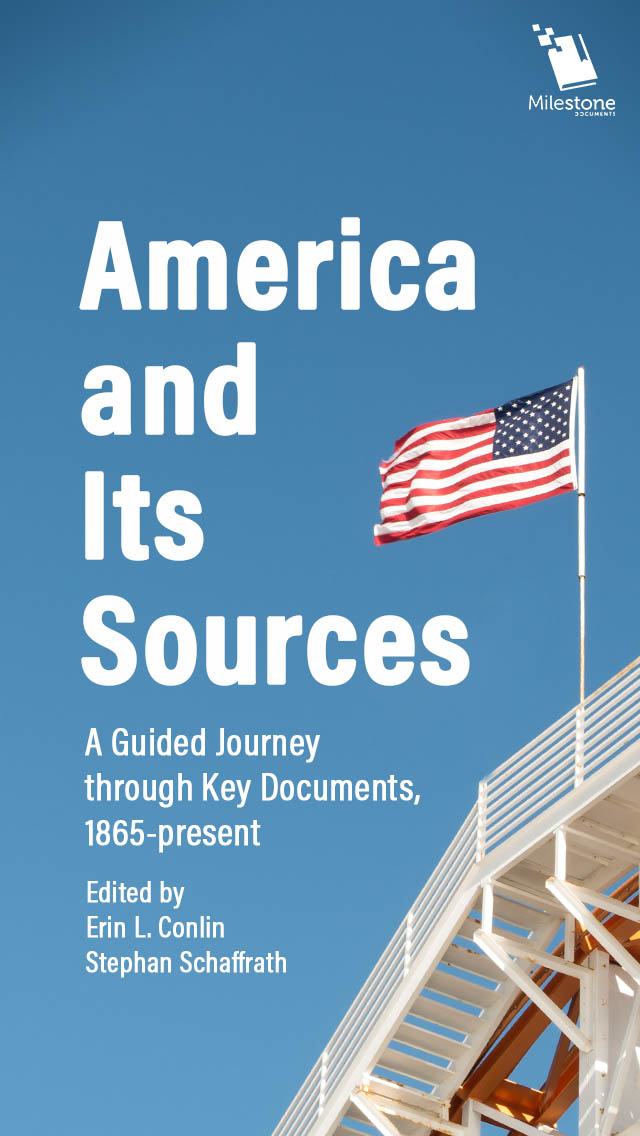
This sourcebook is designed for non-majors, ESL students, and other students who struggle with large amounts of reading. Through 14 focused units, the editors guide students from important post-1865 documents to major sources from contemporary America. The sourcebook offers students the essential tools they need to examine and analyze primary sources without overwhelming them with lengthy and difficult texts.
Softcover ISBN: 9781935306696
Ebook ISBN: 9781935306375
 e-book
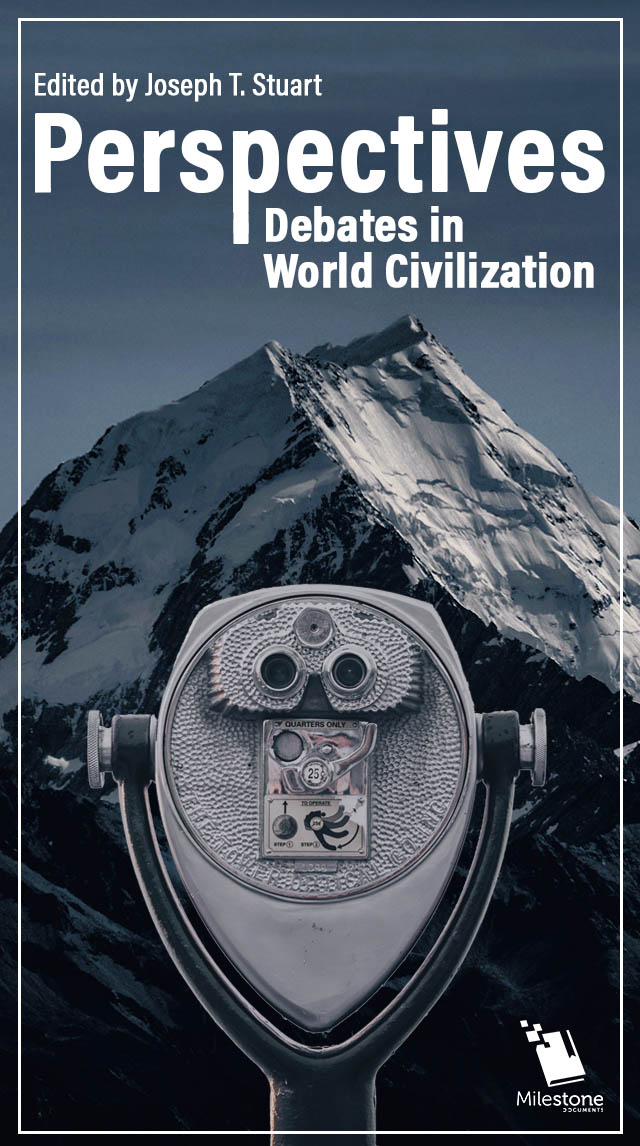
Six classroom-tested debates are featured in this innovative sourcebook. Built on primary documents, each debate asks students to step into the shoes of historical characters and argue for a position. As author Joseph T. Stuart says in the Introduction, "Debates have proven to be among the most successful tools in my experience as an instructor to encourage students to work with primary sources."
Softcover ISBN: 9781935306702
Ebook ISBN: 9781935306436
 e-book
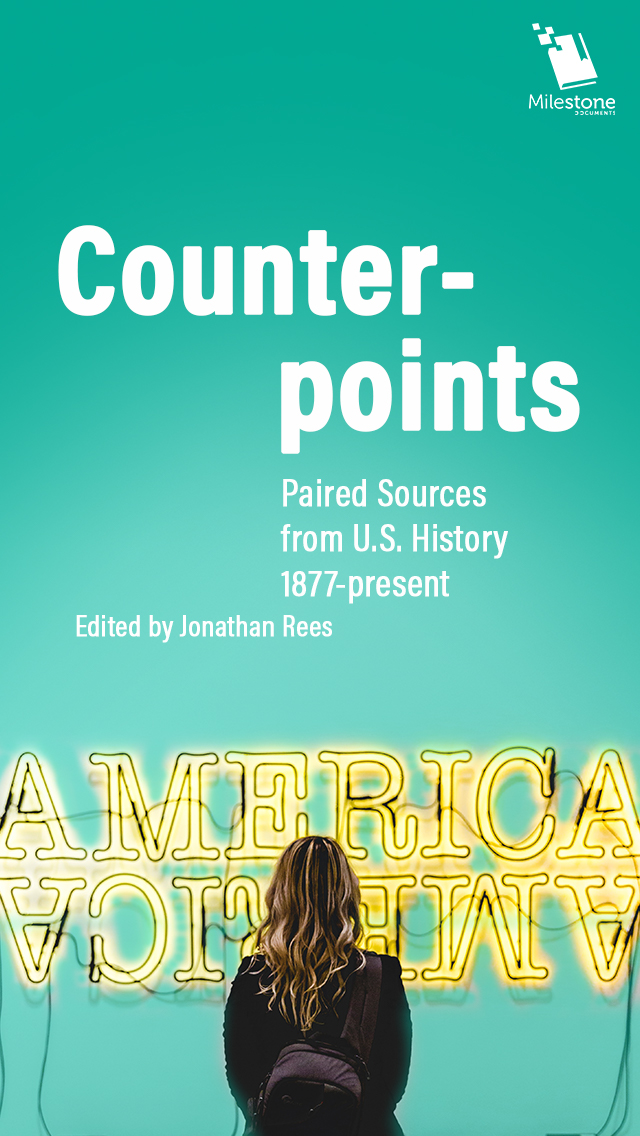
This innovative book brings paired documents on twelve subjects together to showcase different perspectives on the same historical topic. In so doing, it helps students grapple with the complicated nature of history, how it is made, and how historians interpret the past.
Softcover ISBN: 9781935306719
Ebook ISBN: 9781935306467
e-book
This sourcebook is designed for non-majors, ESL students, and other students who struggle with large amounts of reading. Through 14 focused units, the editors guide students from important post-1865 documents to major sources from contemporary America. The sourcebook offers students the essential tools they need to examine and analyze primary sources without overwhelming them with lengthy and difficult texts.
Softcover ISBN: 9781935306696
Ebook ISBN: 9781935306375
e-book
Six classroom-tested debates are featured in this innovative sourcebook. Built on primary documents, each debate asks students to step into the shoes of historical characters and argue for a position. As author Joseph T. Stuart says in the Introduction, "Debates have proven to be among the most successful tools in my experience as an instructor to encourage students to work with primary sources."
Softcover ISBN: 9781935306702
Ebook ISBN: 9781935306436
e-book
This innovative book brings paired documents on twelve subjects together to showcase different perspectives on the same historical topic. In so doing, it helps students grapple with the complicated nature of history, how it is made, and how historians interpret the past.
Softcover ISBN: 9781935306719
Ebook ISBN: 9781935306467